
LEVEL I – WHITE
Foundations of Coaching
Start with the foundation. Lead with purpose.
Level I – White is the entry point into the Camulus Coaching Guild and is designed for aspiring and developing coaches who want to build a strong foundation in leadership, structure, and coaching philosophy. This course introduces the essential principles of effective coaching and provides participants with the tools to lead athletes with discipline, clarity, and purpose.
PROGRAM OVERVIEW
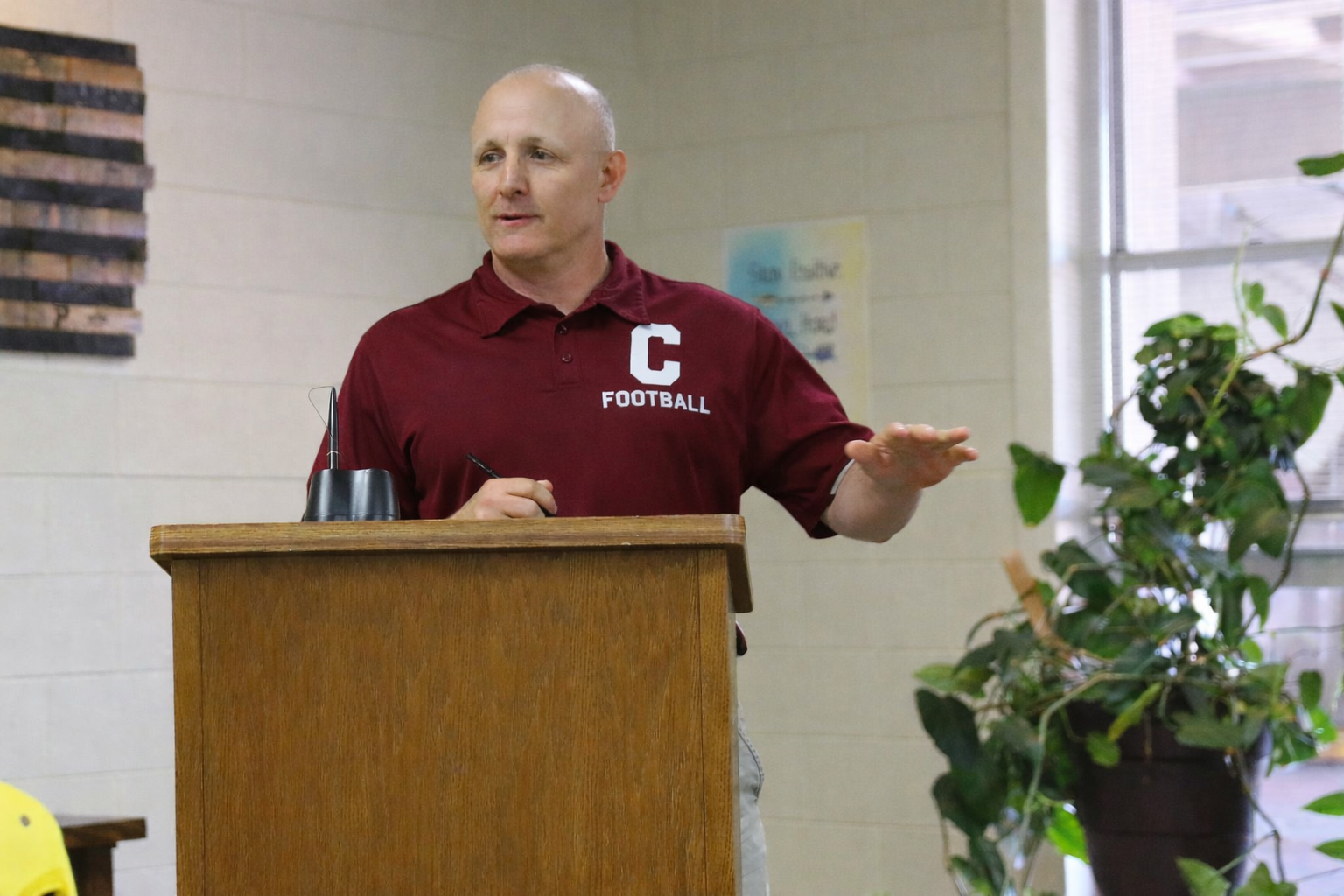
Level I – White Team is more than an introduction to coaching. It is a structured foundation for those who want to lead well, teach clearly, and build strong habits from the start.
Participants will explore the key elements of coaching leadership, including communication, accountability, practice structure, and the role of culture in athlete development. Whether you are entering coaching for the first time or seeking to sharpen your approach, Level I helps establish the standards and mindset needed to grow.
WHO THIS PROGRAM IS FOR?
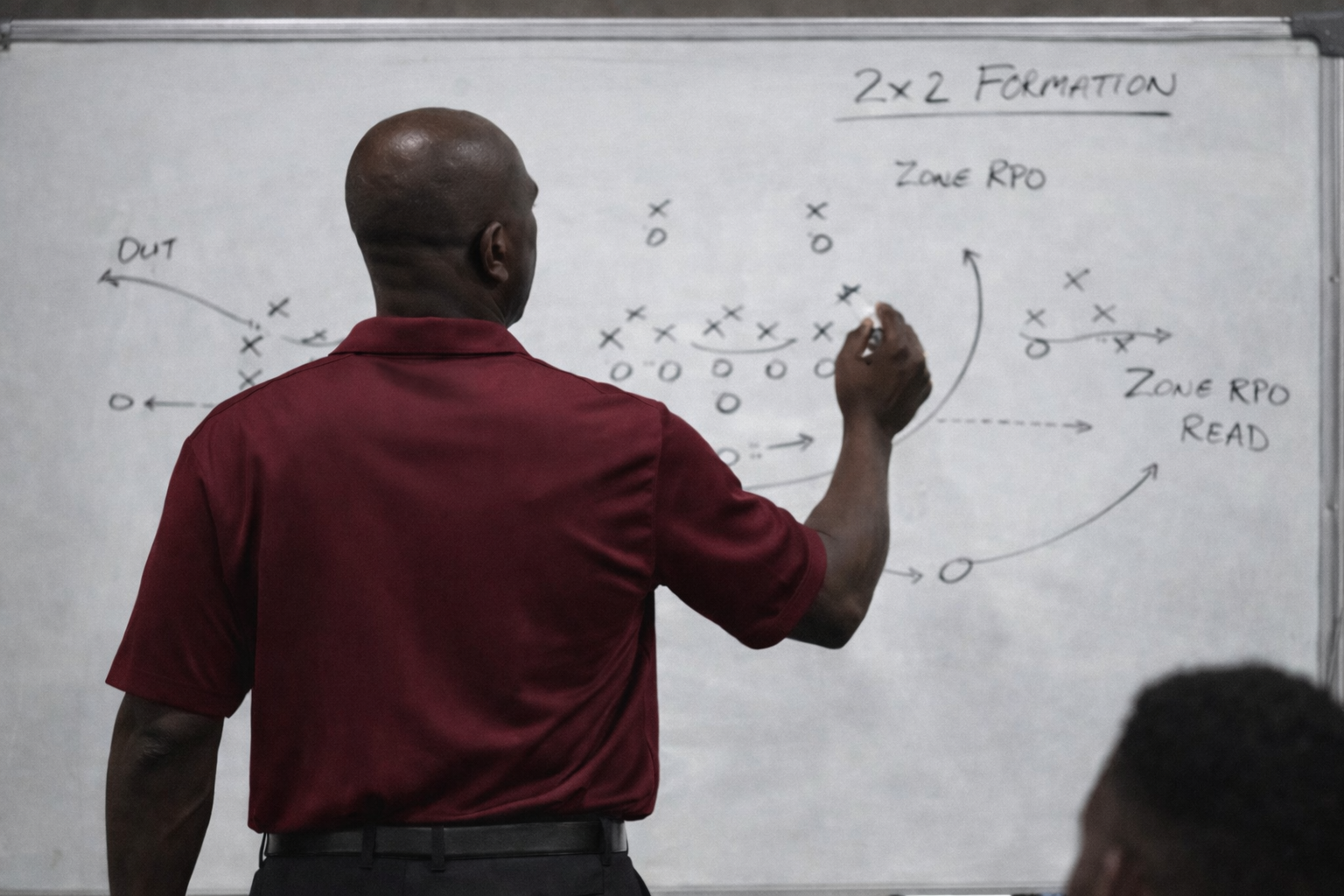
Level I – White is designed for:
New and aspiring coaches
Former athletes entering coaching
Volunteer or assistant coaches
Mentors working with student-athletes
Individuals interested in leadership through athletics
This course is ideal for those who want to begin the right way and understand the responsibilities that come with leading others.
⚪LEVEL I: STRUCTURE
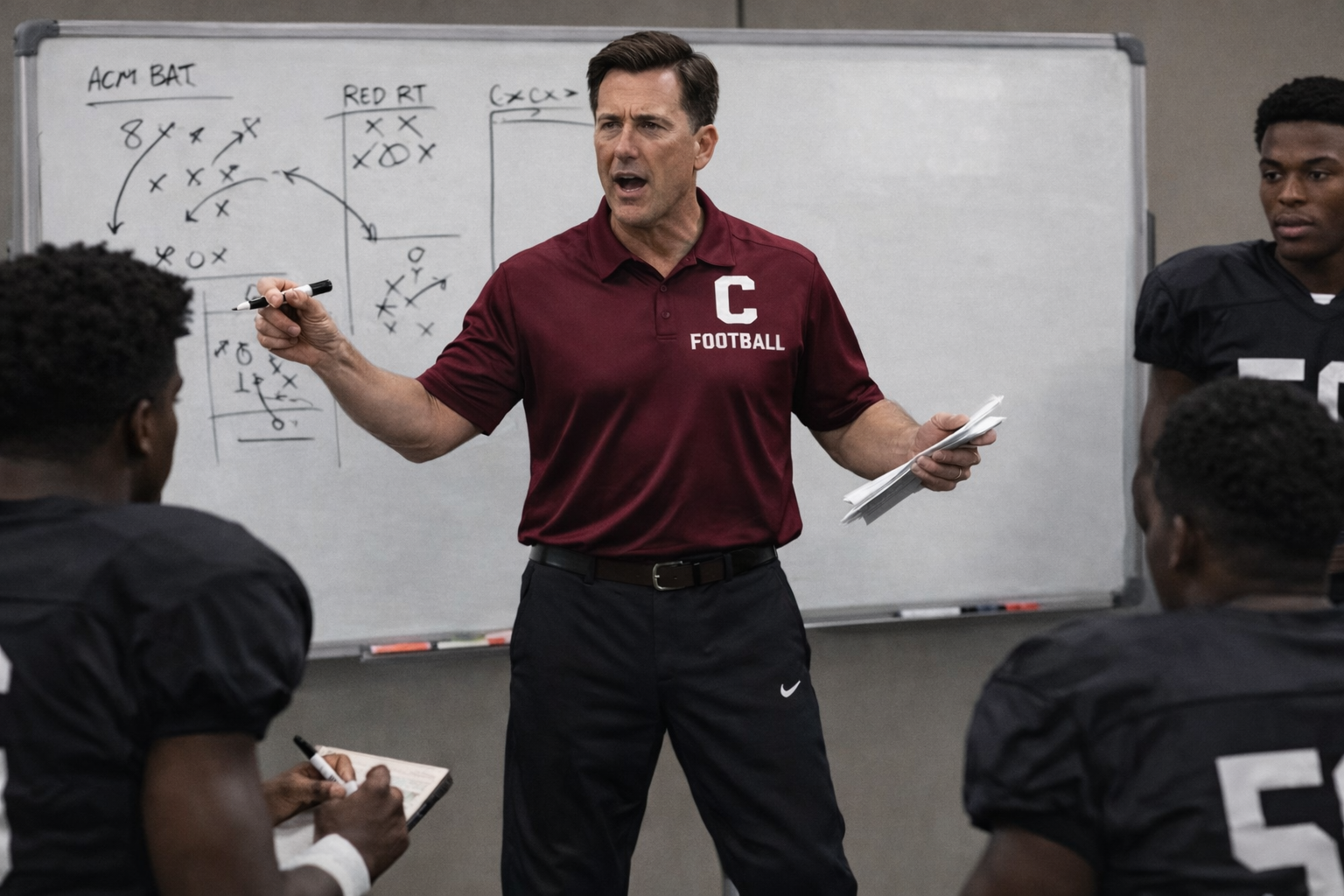
Level I – White is a four-course foundational program, completed over a structured 16-week period. Each course builds on the previous, developing coaches step-by-step from foundational understanding to applied leadership. White is the foundational course of the Camulus Coaching Guild, created for aspiring and developing coaches who want to grow in leadership, structure, and coaching philosophy.
🏈 Course I: Foundations of Coaching (Weeks 1–4)
Building the mindset and standards of a Camulus coach.
This course introduces the core principles that define the Camulus Coaching Guild. Participants develop an understanding of coaching identity, leadership responsibility, and the foundational mindset required to lead athletes with purpose.
Camulus Philosophy & Trust
Introduction to the Camulus mission and standards
Building trust within a team and program
Role & Responsibility of a Coach
Understanding the full scope of coaching leadership
Acceptance of responsibility in all aspects of the program
Leadership Fundamentals
Establishing standards and expectations
Developing consistency, discipline, and presence
Mindset Development
Introduction to the “Me First” mentality
Personal accountability as the foundation of team success
⚽Course III: Practice Planning (Weeks 9–12)
Organization Creates Confidence.
This course develops the foundational skills required to organize, communicate, and execute effective practices. Coaches will learn how to structure productive training sessions, communicate with clarity and confidence, and create environments that maximize athlete engagement and development.
Structure of an Effective Practice
Time management and efficiency
Maximizing repetitions and engagement
Communication & Instruction
Verbal and non-verbal communication
Command presence and tone
Teaching & Feedback Methods
Correcting mistakes constructively
Positive reinforcement vs. accountability
Practice Leadership & Execution
Maintaining energy and tempo
Adjusting plans in real time
🤼 Course II: Culture and Accountability (Weeks 5–8)
Building the mindset and standards of a Camulus coach.
This course establishes the cultural foundation of the Camulus Coaching Guild by defining standards, accountability, and leadership expectations. Coaches will learn how to build, enforce, and sustain a disciplined environment that promotes development, and trust.
What is Culture?
Define culture as daily behavior, not slogans.
Role of the Coach: behavior vs values.
Role & Responsibility of a Coach
Standards vs Expectations
Acceptance of responsibility in all aspects of the program
Accountability Systems
Consistency and consequences
Developing consistency, discipline, and presence in systems
Leading Culture: Daily
Reinforcing systems daily
Tying behavior to standards
🏒 Course IV: Leadership, Standards & Development (Weeks 13-16)
The final course in the White Level pathway challenges coaches to move beyond instruction and begin thinking like program leaders. Participants will develop the skills to lead with confidence, establish and uphold standards, accept responsibility, strengthen staff and athlete relationships, and contribute to the long-term development of a successful program.
The Coach as a Leader
Difference between Coaching and Leading
Accepting the responsibility
Establishing and Holding Standards
Communicating standards
Creating your non-negotiables
Building the Program
Thinking beyond your role (position group)
Program identity, staff cohesion, parent relationship
Practice Leadership & Execution
Confirm your philosophy
Finalize your program development map